Undertaking comprehensive conveyor assessments is essential to understanding performance across the entire system and ensuring that conveyors continue to operate reliably. Combined with regular proactive maintenance, these measures safeguard conveyor performance and extend equipment life.
Comprehensive conveyor assessments provide a clear understanding of how the system is performing, where inefficiencies exist and where risks might be developing. Without this visibility, problems such as carry back, misalignment, belt wear, and ineffective cleaning can develop unnoticed.
Why comprehensive conveyor assessment matters
Effective assessments should evaluate the entire conveyor length, from tail to drive end, providing a thorough analysis of the system, as problems upstream can affect performance downstream.
A full conveyor system evaluation should not only focus on the integrity of isolated components but should instead holistically assess a range of factors, including material loading conditions, belt condition and tracking, cleaner positioning, transfer points, pulley and idler conditions and structural concerns.
Cleaning efficiency
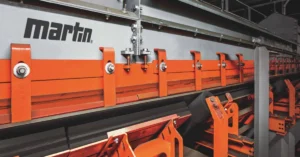
By assessing the entire conveyor length, the correct cleaning solutions can be tailored to each unique system and properly installed, with precise positioning, tension and blade angles designed to reduce carry back, prevent belt damage and lower maintenance costs.
This not only improves cleaning efficiency but also extends the lifespan of blades, belts, and other conveyor components. From a commercial standpoint, that means longer component life, lower replacement frequency and better return on investment.

Experienced teams
That said, even well-designed equipment can underperform if installation is not executed correctly. No two conveyors are likely to perform the same, as material type, belt speed and other factors all influence belt cleaner performance.
Experienced teams are therefore crucial to ensure that insights from conveyor assessments are applied effectively and that solutions perform as designed under the unique operating conditions of each conveyor. This in turn protects a client’s investment and strengthens long-term trust.
Proactive maintenance
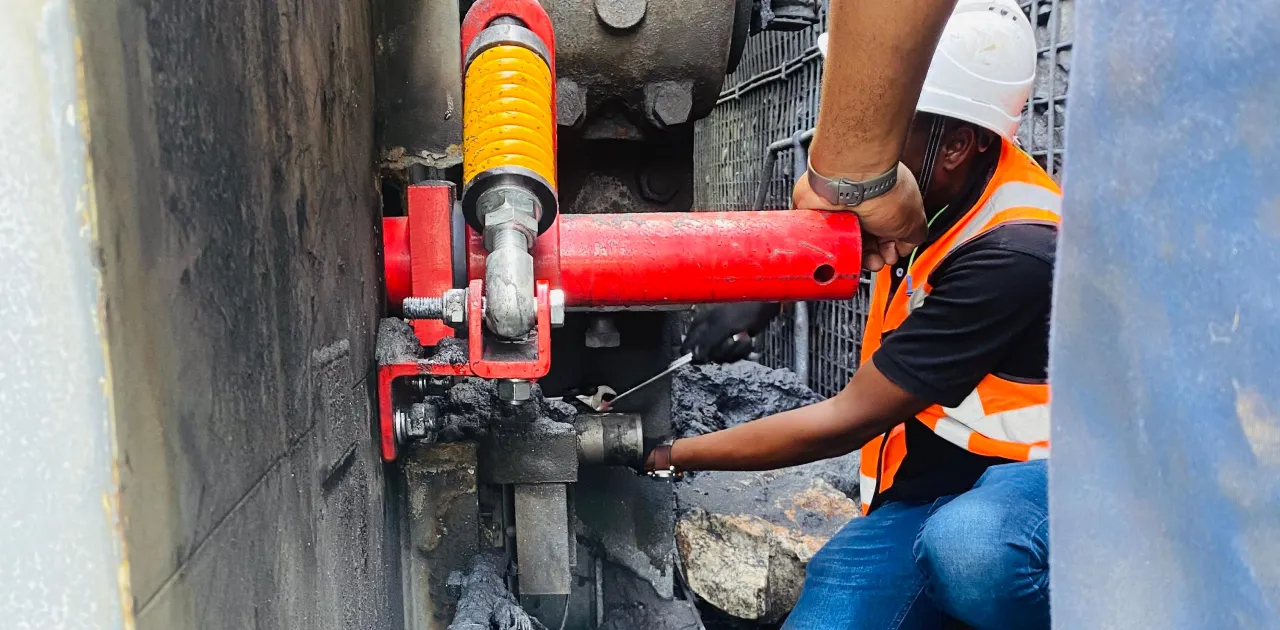
Even with the correct solution specified and expertly installed, conveyor performance cannot be taken for granted. Weekly routine inspections and preventative maintenance are essential to identify and rectify minor issues before they escalate, ensuring the conveyor system continues to operate efficiently.
From a belt cleaning perspective, these inspections allow for the monitoring of tensioning and alignment, the replacement of belt cleaner blades before failure and the early detection of wear on the conveyor belt. They also help identify spillages or material build-up along the length of the conveyor.
Forecast, plan and budget
This proactive approach results in lower repair costs, fewer emergency call-outs, less unplanned maintenance shutdowns, and more predictable maintenance planning. It also shifts the operation from a position of reactive spending to controlled and planned maintenance spending that is easier to forecast, plan for and budget.
While conveyors are a significant investment for mines, often costing millions of rands in capital and ongoing maintenance, they represent a vital long-term strategic asset. With the right expertise and a proactive approach to maintenance, these systems can deliver reliable performance while safeguarding one of the most critical investments in the materials handling chain